Cherry Knot Number - 8: A Stylish Stitch for School Projects
As a designer who spends more time staring at stitch maps than most people spend looking at their phones, I approach every new machine embroidery design with a mix of curiosity and skepticism. We have all downloaded a file that looked perfect on the screen only to turn into a bird's nest of thread on the hoop. That is why when I first laid eyes on Cherry Knot Number - 8, I didn't just see a digit; I saw a potential asset for my craft business that needed to be vetted for real-world application. This isn't just about whether it stitches out; it is about whether it elevates the finished product enough to justify the price and effort.
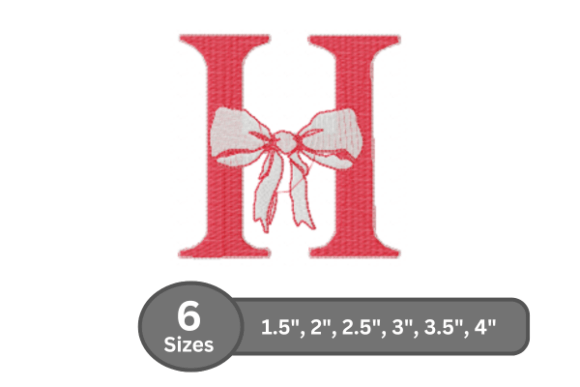
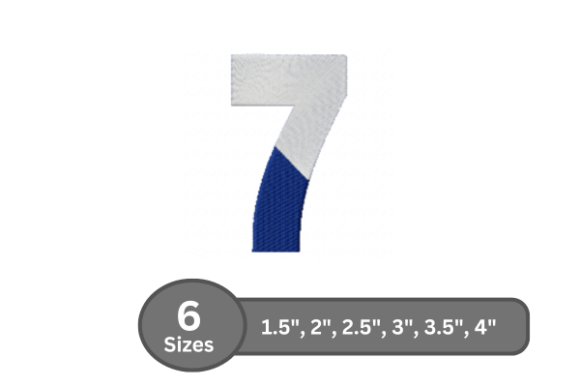
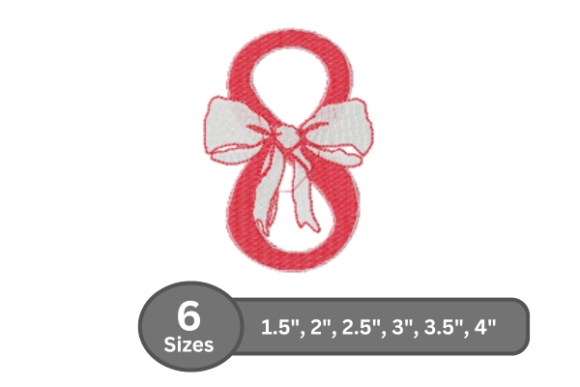
The first impression of Cherry Knot Number - 8 is one of playful sophistication. Unlike standard block numbers often found in basic School supply catalogs, this design features a stylish stitched font that implies movement and texture. The "knot" aspect suggests a interwoven or looped aesthetic, which immediately sets a mood that is both modern and slightly whimsical. For an Etsy seller or a boutique owner, this visual personality is crucial. It tells the customer that this is a handmade product with thought behind it, not just a generic heat transfer slapped onto a blank. The layout feels balanced, suggesting that the digitizer paid attention to how the curves flow into one another, which is essential for maintaining clarity in smaller sizes.
Putting the Design to the Test: A Real-World Scenario
To truly evaluate an embroidery file, you have to imagine it on a specific item. I recently had a request for a set of personalized tote bags for a local teacher appreciation event. The client wanted something that felt educational but fun, fitting the School theme without looking childish. This was the perfect testing ground for Cherry Knot Number - 8. I envisioned using it as part of a monogram or perhaps marking the grade level on a tote bag design.
When I simulated the stitching process in my mind, considering the stitch density required for those knot details, I realized this design would shine on medium-weight canvas or twill. The structured nature of the knot style provides enough coverage to look substantial, yet the stylistic gaps prevent it from becoming a solid puckered mess. If I were to use this for sweatshirt embroidery, the texture of the fleece would complement the raised look of the knots, adding a tactile element that customers love to touch. However, for a thin cotton t-shirt, I would need to be very careful with my stabilizer choice to ensure the fabric didn't gather around the denser parts of the number.
The versatility of this design extends beyond apparel. Imagine a series of nursery decor items where each number represents a month of growth, or perhaps a set of kitchen towels for a housewarming gift. Because Cherry Knot Number - 8 comes in multiple sizes, it adapts well to these varying contexts. A large version could serve as a statement piece on a pillow cover, while a smaller iteration might work beautifully on a cuff or collar. The key is understanding that the "stylish stitched font" description implies a certain level of detail that needs room to breathe.
Navigating Fabric Challenges and Technical Constraints
While the aesthetic appeal is high, a professional reviewer must also address the limitations. Not every fabric is a friend to complex typography. When working with Cherry Knot Number - 8 on stretchy fabrics like jersey knits, the integrity of the knot shapes could be compromised if the material pulls during wear. In these cases, a cut-away stabilizer is non-negotiable. Similarly, if you are attempting this on a curved surface like a cap, the center of the number needs to be perfectly aligned, or the symmetry of the knot design will look off-center to the naked eye.
Dark fabrics present another consideration. If you are stitching light thread colors over a black background, you must ensure the stitch density is sufficient to prevent the fabric from showing through the gaps in the knot work. Conversely, on light fabrics, dark threads can sometimes cast shadows if the underlay isn't proper. Since the product description mentions it is perfect for monograms and personalization, it is likely designed with good underlay practices, but testing on scrap fabric is always the golden rule. I always advise running a test stitch-out on the actual garment material before committing to a client order. This simple step saves time, money, and reputation.
Small hoop sizes can also be a constraint. If you are trying to fit this number into a tiny corner of a baby onesie for baby embroidery projects, check the minimum size specifications provided with the file. Intricate details like knots can merge together if scaled down too far, turning a stylish design into an unreadable blob. Always review the smallest recommended size before promising a specific placement to a customer.
Enhancing Brand Value and Customer Perception
In the world of commercial embroidery, perception is reality. Using a unique design like Cherry Knot Number - 8 instead of a standard system font instantly increases the perceived value of your small shop product. It signals to the buyer that you care about design details. This attention to detail builds customer trust and encourages repeat business. When a customer receives a personalized gift that features a distinct, well-executed number, they are more likely to share photos on social media, providing free marketing for your brand.
For those creating printable mockups or digital previews for their online stores, this design offers excellent visual interest. The texture implied by the knot style translates well in photos, making your listings stand out in a crowded marketplace. Whether you are selling design assets or finished goods, consistency in using high-quality elements like this helps establish a recognizable brand identity. It moves your work from "homemade" to "professional artisan."
Final Designer Notes and Best Practices
Before you dive into production with Cherry Knot Number - 8, here are a few practical steps to ensure success. First, verify the licensing terms. While it is suitable for commercial embroidery projects, always confirm if there are restrictions on the number of physical items you can sell. Second, play with thread colors. This design might look stunning in a variegated thread that highlights the knot twists, or it might need a solid, contrasting color to pop against a busy fabric pattern. Test it in both black and white mockups to see how the contrast holds up.
Remember that the description notes the design is versatile, but versatility requires adaptation. Check the file formats to ensure compatibility with your specific machine. If you are planning an applique design variation, see if the file supports layering, though this specific description suggests a focus on the stitched font itself. Finally, keep the end-user in mind. If this is for a holiday embroidery gift that will be washed frequently, ensure your top stitching and locking stitches are secure to maintain the look of the number over time.
In conclusion, Cherry Knot Number - 8 is a strong contender for designers looking to add a touch of flair to their Embroidery repertoire. It bridges the gap between functional labeling and decorative art. With the right fabric choices, proper stabilization, and a keen eye for detail, this design can become a staple in your library, helping you create memorable products for schools, boutiques, and happy customers alike.